ABOUT US
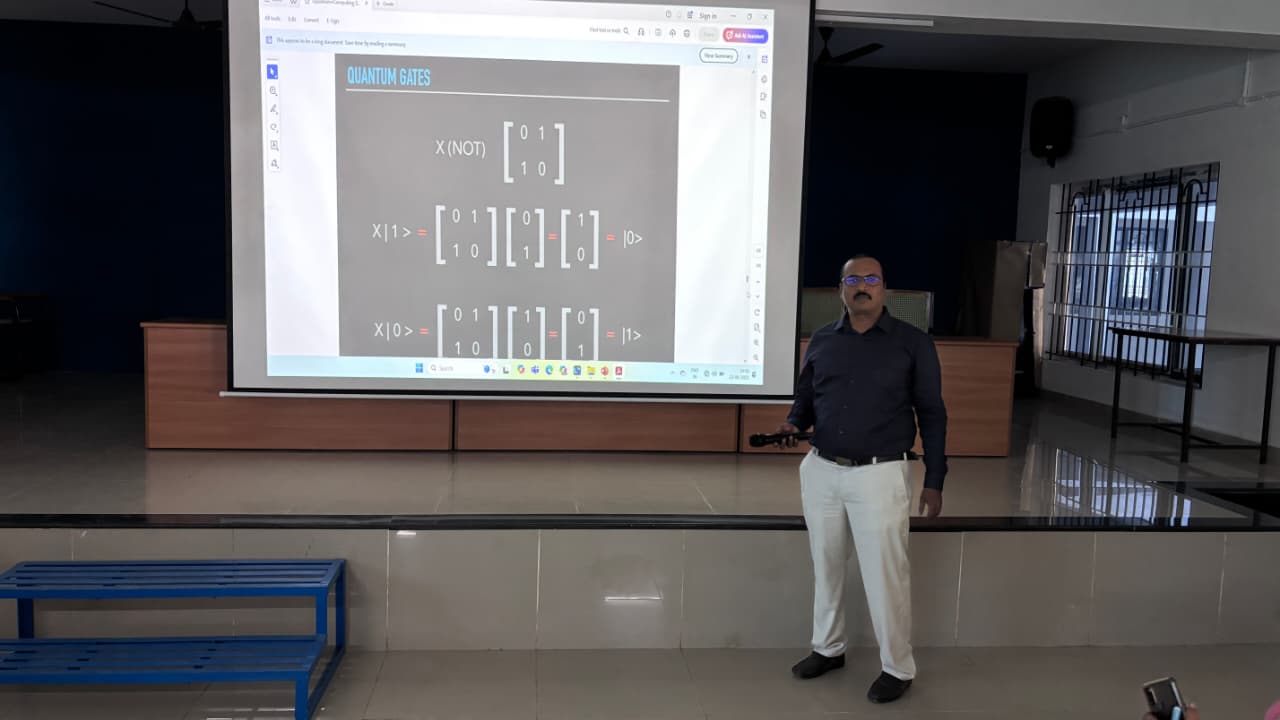
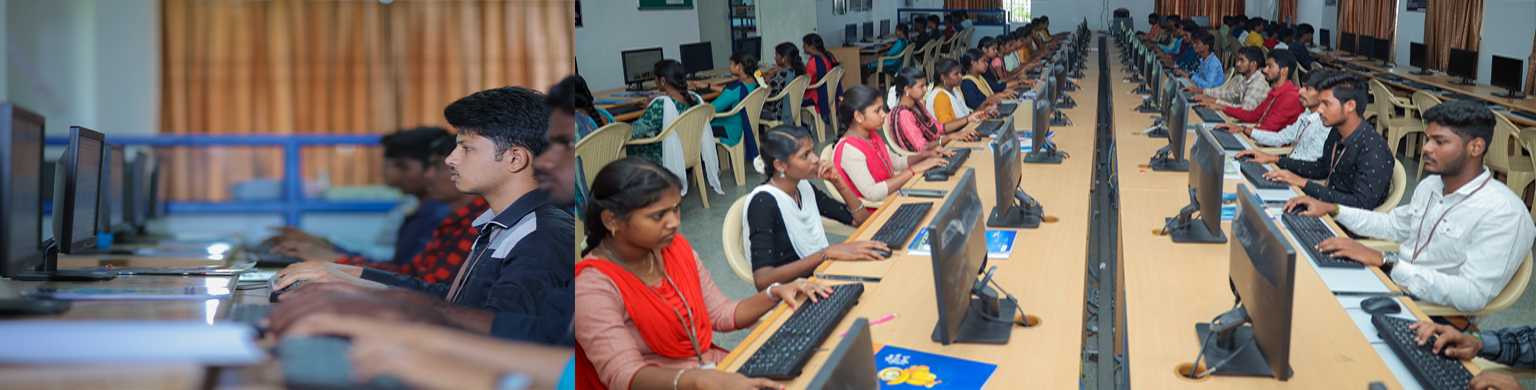
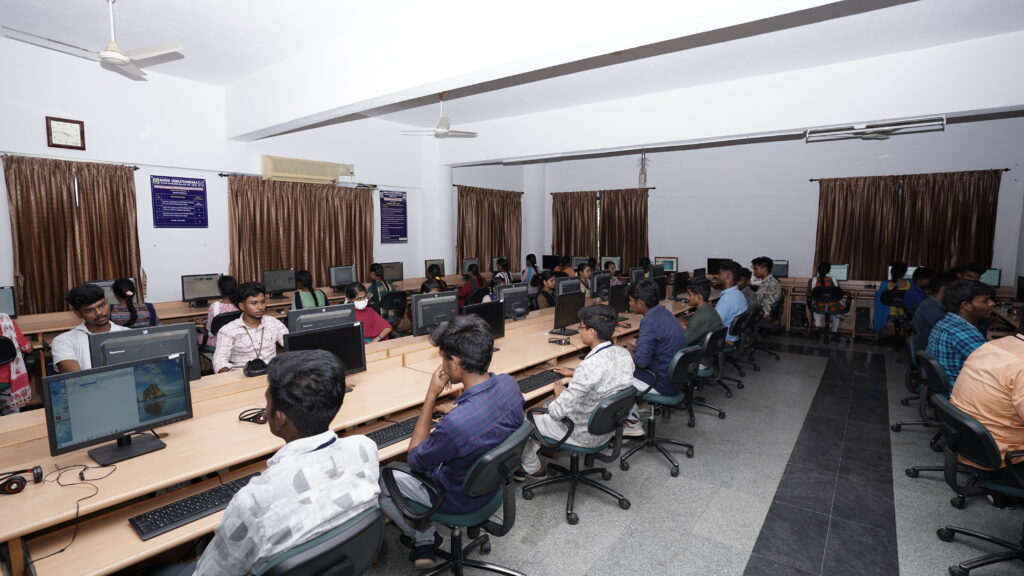
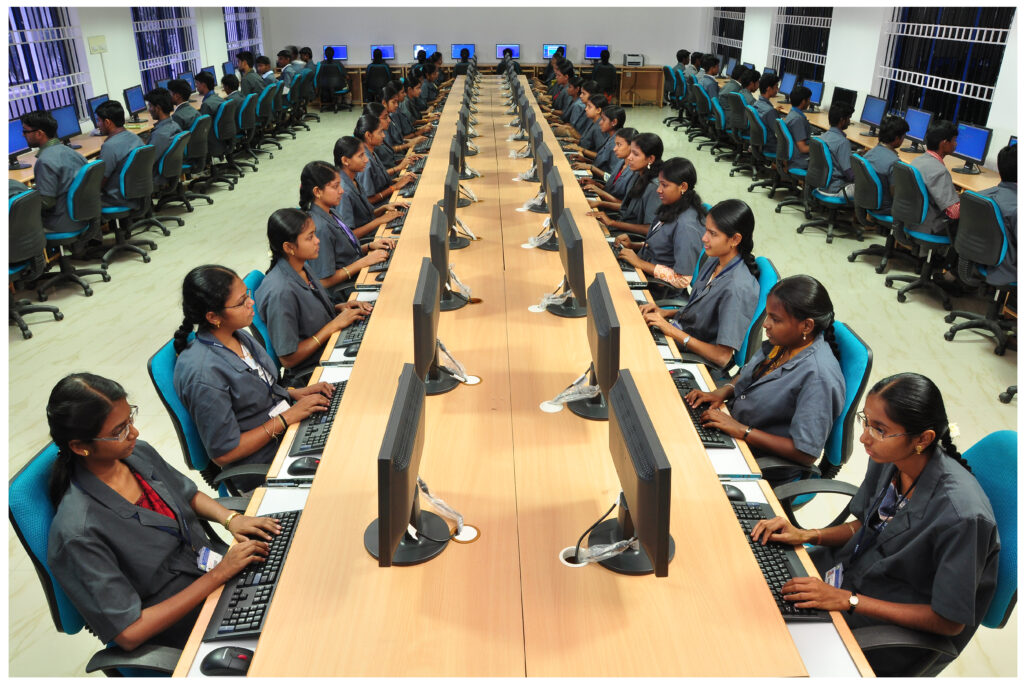
The Department of Computer Science and Engineering (CSE) was established in 2008. Ever since its setting up, the department has been a pioneering academic centre for higher education, research, and innovation in key areas of computer science and Engineering. The CSE Department has well established laboratories with good computing facilities, software tools and applications to provide practical exposure to students. The continuously changing dynamics of this Engineering stream poses challenges to students to stay updated with the latest developments. Our qualified faculty and equipped labs ensure that our students are well prepared to take on these challenges. The department is a focus for talented students from all over India. All graduates of CSE find excellent placements in core industries and leading IT Companies.
Intake 120
OBJECTIVE
The objective of the BE programme in Computer Science and Engineering (CSE) is to prepare students to undertake careers involving innovation and problem solving using computational techniques and technologies, or to undertake in good placement and advanced studies for research careers. Our Department mainly focuses and enlightens the students by updating them with the knowledge of latest IT trends.
Vision & Mission
VISION
- Produce competent Computer and IT professionals with skills in software and hardware, scientific temper, values, ethics, team spirit and capabilities to face new challenges.
MISSION
- Provide conducing learning environment with state-of-the-art infrastructure facilities, laboratories and teaching learning systems.
- Produce skilled Computer Engineers with skills towards employability, leadership, communication skills with social responsibilities and ethical values.
- Inculcate Professional skills to function as proficient computer engineers, programmers and designers capable of building sustainable software and hardware systems and infrastructure for the society.
- Promote research and development activities in the rapidly changing technologies related to Computer Engineering and allied domains.
Programme Educational Objectives
PEO1:Technical and Leadership: Apply their technical competence in computer science to solve real world problems, with technical and people leadership
PEO2:Research and Development: Conduct cutting edge research and develop solutions on problems of social relevance.
PEO3:Professional Skills: Work in a business environment, exhibiting team skills, work ethics, adaptability and lifelong learning.
Programme Outcomes
PO1: Engineering Knowledge: Apply knowledge of mathematics, natural science, computing, engineering fundamentals and an engineering specialization as specified in WK1 to WK4 respectively to develop to the solution of complex engineering problems.
PO2: Problem Analysis: Identify, formulate, review research literature and analyze complex engineering problems reaching substantiated conclusions with consideration for sustainable development. (WK1 to WK4)
PO3: Design/Development of Solutions: Design creative solutions for complex engineering problems and design/develop systems/components/processes to meet identified needs with consideration for the public health and safety, whole-life cost, net zero carbon, culture, society and environment as required. (WK5)
PO4: Conduct Investigations of Complex Problems: Conduct investigations of complex engineering problems using research-based knowledge including design of experiments, modelling, analysis & interpretation of data to provide valid conclusions. (WK8).
PO5: Engineering Tool Usage : Create, select and apply appropriate techniques, resources and modern engineering & IT tools, including prediction and modelling recognizing their limitations to solve complex engineering problems. (WK2 and WK6)
PO6: The Engineer and The World: Analyze and evaluate societal and environmental aspects while solving complex engineering problems for its impact on sustainability with reference to economy, health, safety, legal framework, culture and environment. (WK1, WK5, and WK7).
PO7:Ethics: Apply ethical principles and commit to professional ethics, human values, diversity and inclusion; adhere to national & international laws. (WK9)
PO8:Individual and Collaborative Teamwork: Function effectively as an individual, and as a member or leader in diverse/multi-disciplinary teams.
PO9: Communication: Communicate effectively and inclusively within the engineering community and society at large, such as being able to comprehend and write effective reports and design documentation, make effective presentations considering cultural, language, and learning differences
PO10:Project Management and Finance: Apply knowledge and understanding of engineering management principles and economic decision-making and apply these to one’s own work, as a member and leader in a team, and to manage projects and in multidisciplinary environments.
PO11:Life-Long Learning:Recognize the need for, and have the preparation and ability for i) independent and life-long learning ii)adaptability tone and emerging technologies and iii) critical thinking in the broadest context of technological change. (WK8)
Programme Specific Outcomes
PSO-1: Computing Solutions: Excel in analyze, design and develop computing solutions by applying foundational concepts of CSE.
PSO-2: Professional Practice: Apply software engineering principles and practices for developing quality software for scientific and business applications.
PSO-3: Emerging Technologies: Exhibit emerging ICT to innovate ideas and solutions to existing/novel problems.
Course Outcomes
Faculty Details
| S NO | NAME | QUALIFICATION | DESIGNATION |
| 1 | Dr.T.SENTHILPRAKASH | M.E, Ph.D | PROFESSOR & DEAN |
| 2 | K.G.GEERTHIDEVI | M.E | AP |
| 3 | T.ARUNPRAKASH | M.E | AP |
| 4 | K.PRATHIPA | M.E | AP |
| 5 | P.KALAISELVI | M.E | AP |
| 6 | P.LOGESHWARI | M.E | AP |
| 7 | J SENTHIL KUMAR | M.E | AP |
| 8 | S.MAHALAKSHMI | M.E | AP |
| 9 | V.KARTHIKEYANI | M.E | AP |
| 10 | N.KOWSALYA | M.TECH | AP |
| 11 | D.DEEPANA | M.E | AP |
| 12 | T.DEEPIGAA | M.E | AP |
| 13 | P.MURUGAPRIYA | M.E | AP |
| 14 | T.MALATHI | M.E | AP |
| 15 | S.BALAMURALI | M.E | AP |
| 16 | R.DEEPAN | M.E | AP |
| 17 | K.LAVANYA | M.E | AP |
| 18 | P.SUDHASELVANAYAKI | M.E | AP |
| 19 | S.ELAKKIYA | M.E | AP |
| GENERAL ENGINEERING | |||
| 1 | E.ARUN KUMAR | M.E | AP |
| 2 | D.KARTHIKEYEAN | M.E | AP |
| 3 | D.KAVIN KUMAR | M.E | AP |
| 4 | G.NIRMALA | M.E | AP |
Laboratory

Professional Society
COMPUTER SOCIETY OF INDIA (CSI)
The seed for the Computer Society of India (CSI) was first shown in the year 1965 with a handful of IT enthusiasts who were a computer user group and felt the need to organize their activities. They also wanted to share their knowledge and exchange ideas on what they felt was a fast emerging sector. Today the CSI takes pride in being the largest and most professionally managed association of and for IT professionals in India. The purposes of the Society are scientific and educational directed towards the advancement of the theory and practice of computer science and IT.
The organization has grown to an enviable size of 100,000 strong members consisting of professionals with varied backgrounds including Software developers, Scientists, Academicians, Project Managers, CIO’s , CTO’s & IT vendors to just name a few. It has spread its branches all over the country. Currently having 488 student branches and rooted firmly at 73 different locations, CSI has plans of opening many more chapters & activity centers in smaller towns and cities of the country. The idea is to spread the knowledge, and provide opportunities to as many interested as possible.
OBJECTIVES
- 1. The main objective is to learn information and share ideas in the field of Computer Engineering and Technology Systems.
- To Facilitate Knowledge Sharing, Learning, Career Enhancement and Research.
- To encourage the students to publish articles in CSI communications and journal.
- The students can participate and technology updates through Conferences, Seminars, Tutorials and workshop at discounted rates.
- A forum for activities like Paper Presentations, Quiz, Competitions and Exhibitions.
- To encourage the students to access the CSI knowledge portal.
FUNCTIONS
- To encourage and motivate the students to be CSI nominee member
- To involve the students to present / participate in the CSI Students Webinar Series, Conferences and Tutorials
- To organize seminars / workshops / tutorials / competitions / expo etc. in association with CSI.
- To chapter support resource persons assistance for the various events
- To publish students articles in CSI communications and journal
- To nominate the best student paper in CSI communication.
REPORT
Faculty Publications
Students Achievements
Faculty Awards and Achievements
Awards and Achievements
| Award Name | Faculty | Year | Gallery |
|---|---|---|---|
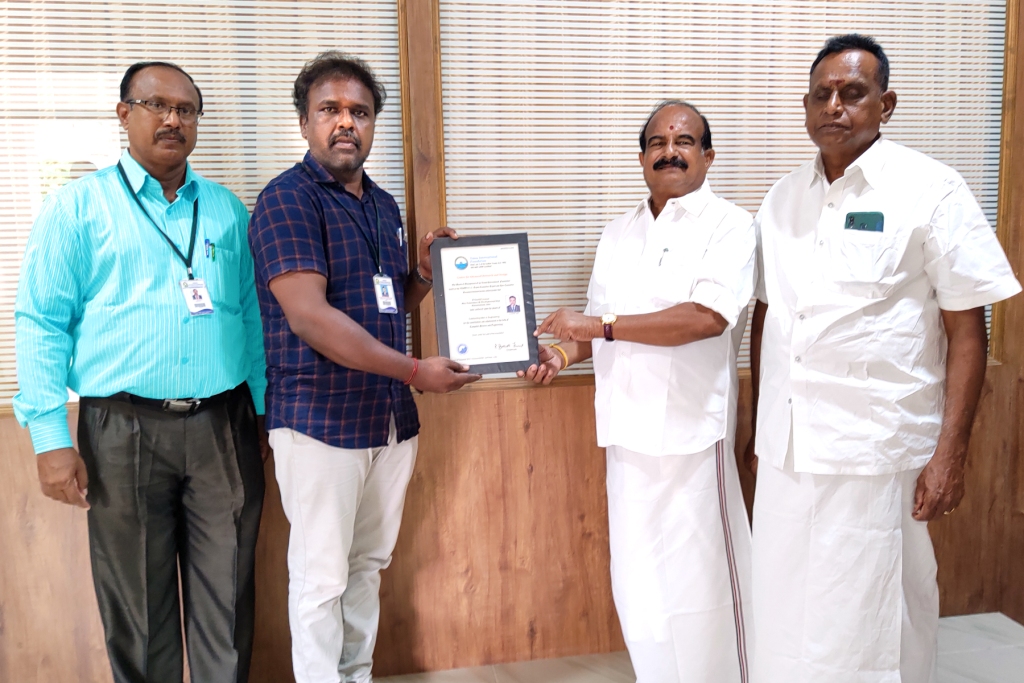
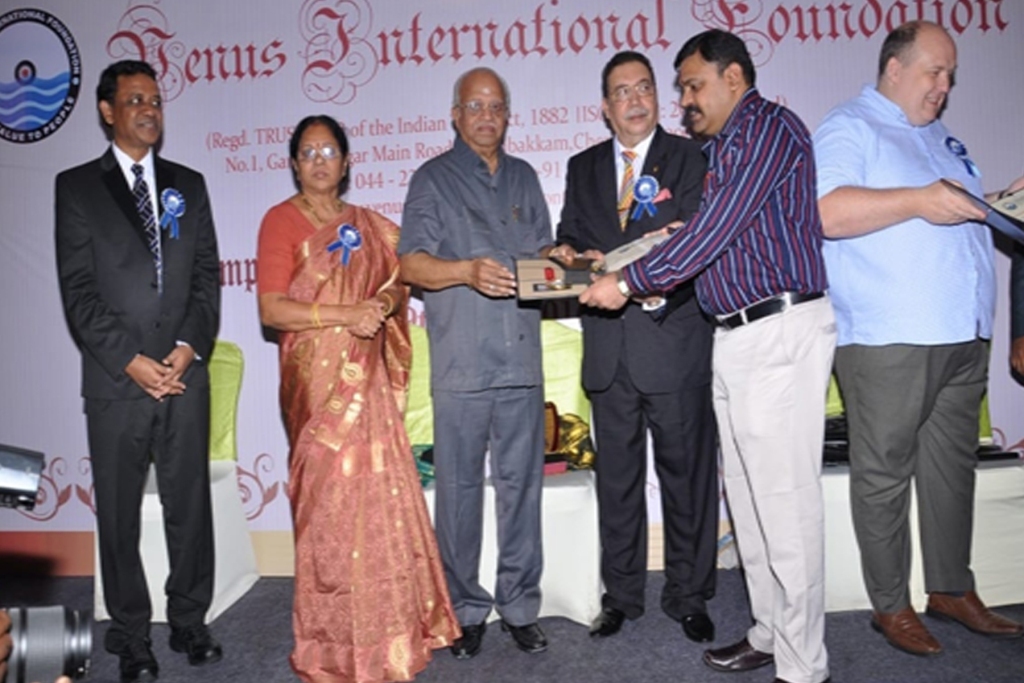
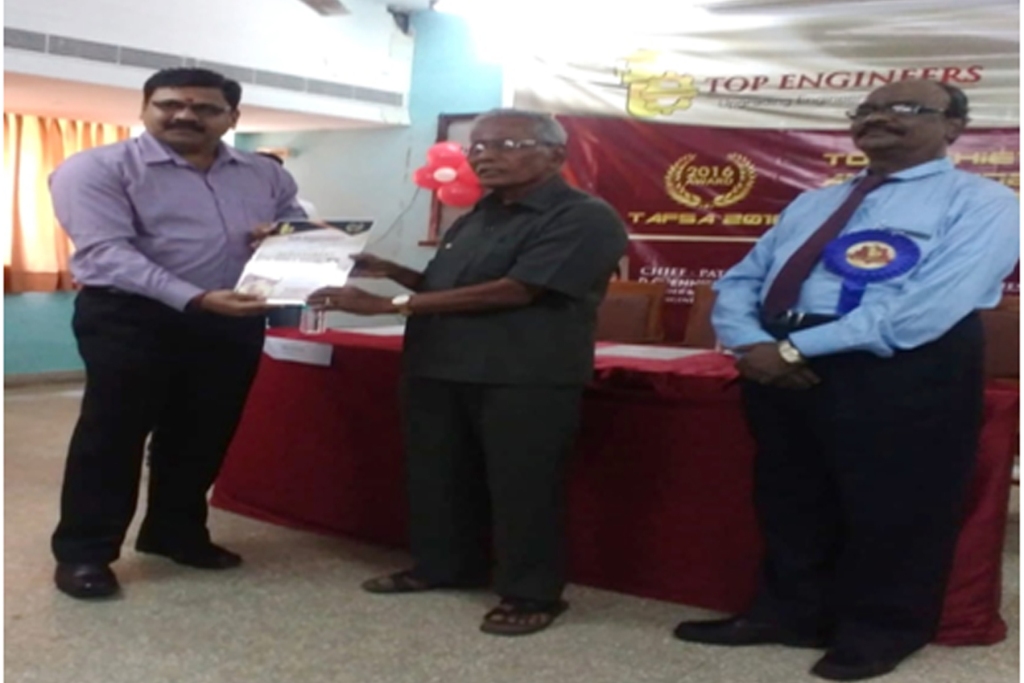
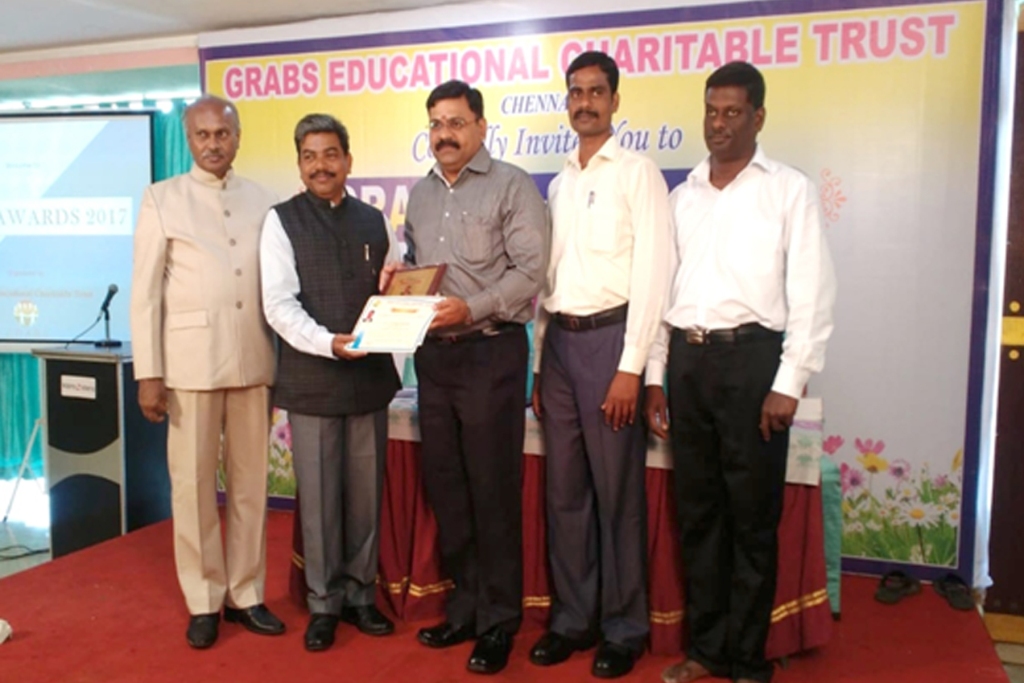
| Outstanding Men in Engineering | R.Senthilkumar | 2015-2016 | Click Here |
| Young Faculty Award | Dr.T.Senthil Prakash | 2016-2017 | Click Here |
| Best Academic Administrator | Dr.T.Senthil Prakash | 2016-2017 | Click Here |
| Teaching And Research Excellence Award | Dr.T.Senthil Prakash | 2016-2017 | Click Here |
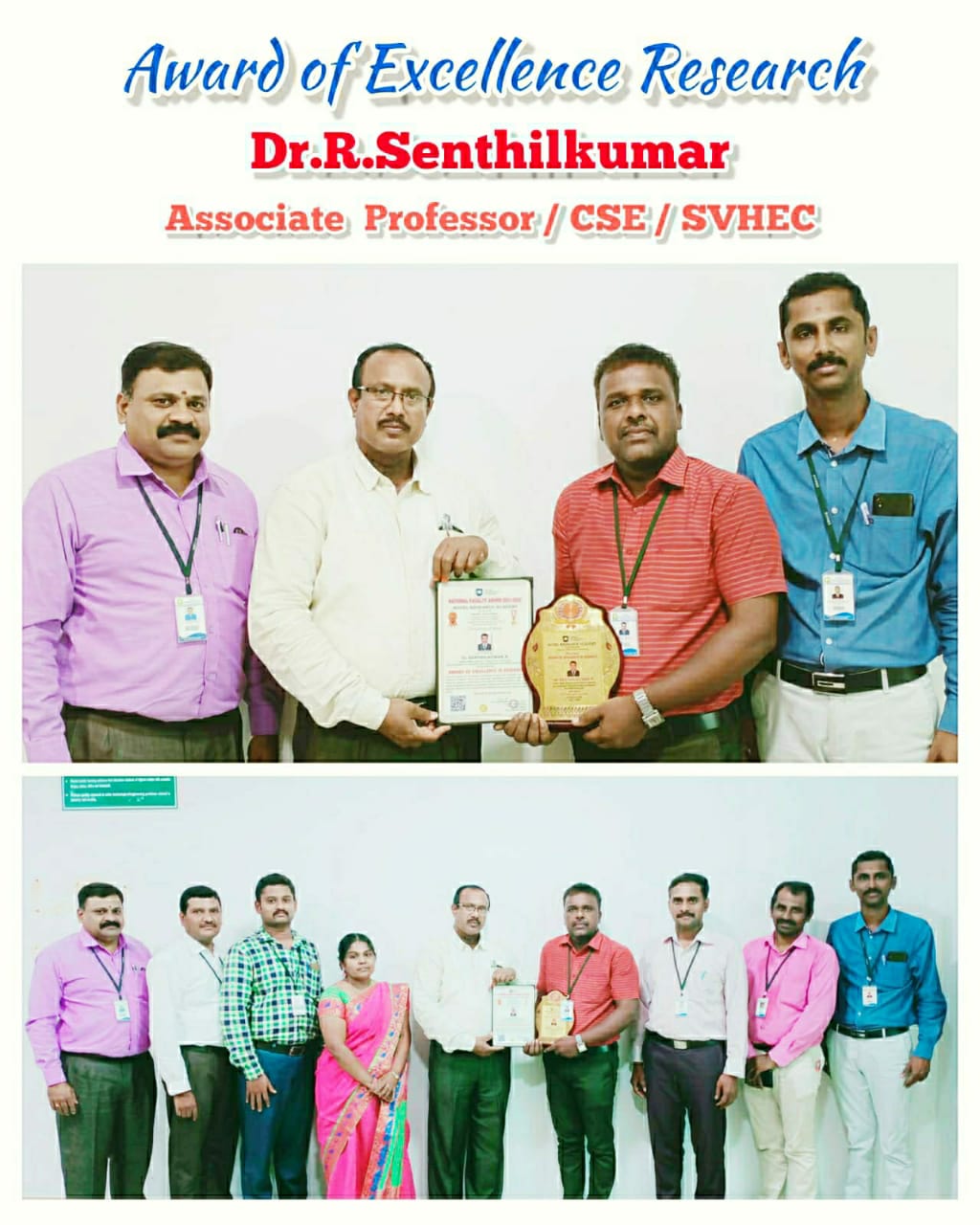
| Award of Excellence in Research | Dr.R.Senthilkumar | 2021-2022 | Click Here |
| Distinhuished Professor Award | Dr.T.Senthiprakash | 2021-2022 | Click Here |

Incubation Centre